
 Deutsch
 English
Heaters – Efficient Heating Solutions for Indoor and Outdoor Use
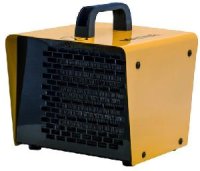
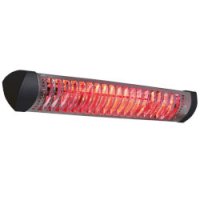

Depending on your requirements, different systems are available – especially infrared heaters and electric heaters. Both solutions offer specific advantages and enable flexible use in almost any environment.
Infrared Heaters – Direct Heat Without Warm-Up Time
Infrared heaters generate pleasant radiant heat that does not primarily heat the air but directly warms people and objects. This creates instantly noticeable warmth – ideal for terraces, balconies, conservatories, catering areas or workshops. Especially in outdoor environments, infrared heaters impress with their efficiency, as the heat is delivered exactly where it is needed.
- Instant heat without preheating time
- Ideal for terraces, gastronomy & commercial use
- Targeted, energy-efficient radiant heat
- Various power levels & mounting options
Electric Heaters – Flexible & Mobile Heating Solution
Electric heaters are extremely versatile and are ideal as mobile heating solutions or supplementary heaters. They quickly and evenly heat indoor air and are available in different power levels. Whether on construction sites, in garages, storage rooms or hobby workshops – electric heaters reliably provide the desired temperature.
- Fast heating of indoor spaces
- Mobile and easy to operate
- Different power levels for various room sizes
- Ideal as transitional or supplementary heating
Choosing the Right Heater for Your Needs
Selecting the right heater depends on several factors: room size, installation location (indoor or outdoor), required heating output and mounting options. While infrared heaters are particularly suitable for targeted heat in outdoor areas, electric heaters offer flexible solutions for enclosed spaces.
Comparison Overview
| Feature | Infrared Heater | Electric Heater |
|---|---|---|
| Type of Heat | Direct radiant heat | Heats the surrounding air |
| Heat-Up Time | Instant heat | Short warm-up time |
| Application Area | Indoor & outdoor use | Mainly indoor use |
| Energy Efficiency | Highly efficient for spot heating | Efficient in enclosed spaces |
| Mobility | Wall or ceiling mounted | Usually mobile & flexible |
Buy Heaters Online
Discover our wide range of heaters and find the ideal solution for efficient, reliable and comfortable warmth – perfectly tailored to your individual requirements.
FAQ / Frequently Asked Questions
An infrared heater directly warms people and surfaces through radiant heat, while an electric heater heats the surrounding air. Infrared devices are particularly suitable for outdoor areas or targeted heat, whereas electric heaters are ideal for enclosed spaces.
For terraces, balconies, or gastronomy areas, infrared heaters are particularly suitable. They provide immediate, wind-independent heat and operate efficiently because they warm people and objects directly, not the surrounding air.
Electric heaters convert almost all electricity into heat. Power consumption depends on the device's wattage and operating time. Modern units often feature multiple power levels for demand-oriented use.
Electric heaters and infrared heaters are often used as supplementary or temporary heating solutions. For permanent operation, energy consumption and the specific application should be individually evaluated.