An air purifier ensures clean, healthy indoor air and can significantly reduce the presence of dust, pollen, allergens, pollutants, and odors. Especially in bedrooms, living areas, and offices, an air purifier noticeably improves air quality and contributes to a more comfortable indoor climate.
In this guide, you will learn which air purifier is best suited to your needs, what to consider when buying, and which technologies are truly effective.
Why an Air Purifier is Useful
Indoor air is often more polluted than outdoor air. Fine dust, pollen, pet hair, mold spores, and volatile pollutants can accumulate in enclosed spaces. An air purifier filters these particles from the air and ensures a noticeable improvement in air quality.
- Reduces fine dust and pollutants
- Filters pollen and allergens
- Removes pet hair and odors
- Improves indoor air quality
- Supports allergy and asthma sufferers
How Does an Air Purifier Work?
An air purifier draws in room air, passes it through multiple filtration systems, and releases the cleaned air back into the room. Modern devices combine different filter technologies to remove as many pollutants as possible.
Key Filter Types
HEPA Filter
HEPA filters remove up to 99.95% of particles such as fine dust, pollen, bacteria, and allergens from the air. They are especially important for allergy sufferers and are a key component of high-quality air purifiers.
Activated Carbon Filter
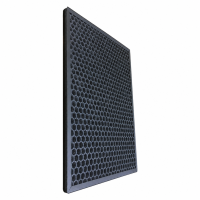
Activated carbon filters absorb odors, smoke, and chemical pollutants from the air. They are particularly useful in kitchens, smoking households, or heavily polluted environments.
Pre-Filter
The pre-filter captures larger particles such as dust, hair, and lint. This helps protect the main filters and extends their lifespan.
Ionizer (Optional)
An ionizer electrically charges particles, making them easier to remove from the air. This feature is optional and not necessary for every device.
Which Air Purifier is Right for You?
Choosing the right air purifier depends on several factors, especially room size, application, and individual requirements.
Selecting an Air Purifier by Room Size
- Small rooms (up to 20 m²): compact devices are sufficient
- Medium rooms (20–40 m²): standard high-performance models
- Large rooms (over 40 m²): devices with high airflow (CADR value)
Air Purifiers for Allergy Sufferers
For allergy sufferers, devices with HEPA filters are essential, as they effectively remove pollen, dust, and other allergens.
Air Purifiers for Odor Removal
In households with pets or smoke, a model with an activated carbon filter is recommended, as it effectively neutralizes odors.
Air Purifiers for Bedrooms
In bedrooms, an air purifier should be especially quiet. Look for a night mode and low noise levels.
Air Purifiers for Offices
In offices, an air purifier improves air quality and can enhance concentration, especially in poorly ventilated environments.
Air Purifier Brands
Our range includes high-quality and powerful models, allowing you to find the perfect air purifier for your needs.
- HEPA filters for removing even the smallest particles
- Very quiet operation
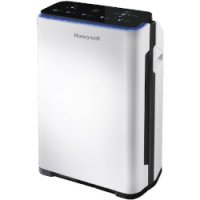
The Honeywell HPA710WE4 air purifier with HEPA & activated carbon filter cleans the air effectively for the best results.
- Effective in large rooms
- Durable devices with easy operation
Choose the right device for your indoor climate and enjoy fresh, clean air!
How Often Should an Air Purifier Run?
An air purifier should ideally run continuously or for several hours a day. It is particularly useful at night or during periods of increased air pollution, such as pollen season.
Make sure your home or office is optimally ventilated and free from pollutants!
FAQ – Frequently Asked Questions About Air Purifiers

 Deutsch
 English
.gif "Category Air Purifier Guide")