Table of Contents
1. Introduction
Wall-mounted fans are an effective solution for improving air circulation in various indoor spaces. These devices not only contribute to optimizing the indoor climate but are also space-saving and energy-efficient. Particularly in urban apartments, where space is often limited, they offer an ideal way to bring fresh air into living and working areas. Their thoughtful design can reduce the need for air conditioning, saving costs while being more environmentally friendly. A well-ventilated room can prevent allergic reactions and respiratory diseases, underscoring the importance of these devices. In this category description, you will learn everything important about wall-mounted fans, their functionality, advantages, as well as key aspects of selection and installation.
Wall-mounted fans are not only functional but also an aesthetic element in your room design. They can be seamlessly integrated into the wall, making them not only practical but also visually appealing. These devices are particularly sought after in modern living concepts, as they provide pleasant ventilation without visible additional devices in the room.
2. Basics of Wall-Mounted Fans
2.1 Definition
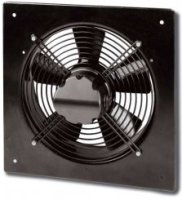
A wall-mounted fan is a ventilation device that is directly integrated into the wall of a room. These devices are designed to promote air circulation by bringing fresh air into indoor spaces and expelling stale air. They are available in various sizes and designs, allowing for seamless integration into different room designs. Whether in living areas, offices, or industrial applications, the variety of models ensures that a suitable solution can be found for every need. These fans are not only functional but also aesthetically pleasing, as they harmoniously blend into the existing room design.
However, the installation of a wall-mounted fan requires careful planning to ensure that the fan operates optimally. It is important to consider the wall thickness and material to ensure secure mounting. Additionally, you should be aware of the electrical requirements of the chosen model to guarantee smooth operation.
2.2 Functionality
The functionality of these fans is based on air movement. They can either expel air from the room or bring fresh air in, depending on the need. Many models are equipped with a switch for easy operation, while some also feature thermostats to regulate the room temperature. These advanced functions significantly enhance user-friendliness and make the use of these fans even more effective.
Through their versatile applicability in different environments, wall-mounted fans not only improve air quality but also create a pleasant indoor climate that promotes the well-being of the occupants. Air circulation is crucial for a healthy indoor climate, as it helps prevent the accumulation of moisture and unpleasant odors.
2.3 Types of Wall-Mounted Fans
Wall-mounted fans can be broadly categorized into two main types: axial fans and radial fans.
- Axial Fans: move air parallel to the axis of the fan and are ideal for applications where high air circulation is required. These fans are known for their efficiency and performance and are commonly used in residential and commercial areas. Particularly in spaces with high ceilings or large rooms, axial fans are an excellent choice for quickly and effectively moving fresh air.
- Radial Fans: move air radially, meaning perpendicular to the axis. They are more powerful and particularly suitable for larger rooms or applications where a higher pressure difference is required. Radial fans are ideal for industrial applications, where a constant and strong air circulation is necessary to ensure optimal working conditions. Their robust construction ensures that they operate reliably even under demanding conditions.
These two types offer different advantages and should be selected based on requirements and application area.
3. Advantages of Wall-Mounted Fans
3.1 Energy Efficiency
Wall-mounted fans help reduce energy costs by decreasing the need for air conditioning. Their efficiency not only lowers operating costs but also reduces CO2 emissions, making them an environmentally friendly choice. These devices are particularly attractive investments in times of rising energy costs. A well-chosen fan can provide not only short-term savings but also contribute to environmental conservation by sustainably lowering energy consumption.
The energy efficiency of these fans is influenced by various factors, including performance, motor type, and design. High-quality models are characterized by low power consumption while providing high air output.
3.2 Improvement of Air Quality
These fans promote air circulation and reduce the formation of mold and moisture, which is especially important in humid environments. Regular ventilation is not only a matter of comfort but also health. A well-ventilated room can prevent allergic reactions and respiratory diseases, emphasizing the importance of these devices.
By using wall-mounted fans, you create a healthy indoor climate that enhances the well-being of the occupants and improves the quality of life. The continuous supply of fresh air helps prevent the accumulation of pollutants and unpleasant odors, which is particularly important in kitchens and bathrooms.
3.3 Space Saving
Due to their wall-mounted design, wall-mounted fans do not require additional space, which is particularly advantageous in small rooms. This is especially important in urban apartments, where space is often limited. This space-saving solution allows for optimal use of available space without sacrificing comfort. Moreover, many models are designed to harmoniously integrate into the existing room design, making them not only functional but also aesthetically pleasing.
A wall-mounted fan is therefore an ideal solution for those who appreciate both functionality and design in their living or working spaces.
4. Application Areas
4.1 Living Areas
In living areas, wall-mounted fans can help improve air circulation and create a pleasant indoor climate. They are particularly useful in high-traffic areas such as living rooms and kitchens, where fresh air and cooling are important. Continuous ventilation reduces the formation of unpleasant odors and moisture, contributing to a healthier living climate.
A well-placed fan can significantly enhance the indoor climate and improve the well-being of the occupants. Additionally, many models are designed to seamlessly fit into the existing decor, which not only increases functionality but also supports the overall aesthetic of the rooms.
4.2 Commercial Use
In commercial applications, such as offices or storage rooms, wall-mounted fans contribute to improving the indoor climate. A well-ventilated workplace ensures more comfort and can increase employee productivity. Companies that invest in adequate ventilation can not only enhance employee satisfaction but also improve the overall work atmosphere.
A pleasant working environment is crucial for employee motivation and performance and can help promote health while reducing the risk of respiratory diseases. By using fans in commercial spaces, companies can also save energy costs in the long term by reducing the need for air conditioning.
4.3 Bathrooms
In bathrooms, wall-mounted fans are particularly important for preventing moisture and mold formation. They ensure constant air circulation, which improves air quality and reduces unpleasant odors. Therefore, a wall fan is a sensible investment to ensure a healthy indoor climate.
Selecting the right model is crucial to ensure that the fan meets the specific requirements of a bathroom, especially regarding its ability to effectively expel moisture. An appropriate fan can thus significantly contribute to creating a healthy indoor climate and enhancing the quality of life for users.
5. Selection Criteria When Buying
5.1 Performance and Energy Efficiency
When selecting a wall-mounted fan, you should consider its performance and energy efficiency. Pay attention to the energy label, which provides information about energy consumption. Models with 230V and a frequency of 50Hz are standardized in many applications. An energy-efficient fan can lead to significant cost savings in the long run and is therefore a wise investment for the future.
Choosing a model with good energy efficiency can not only lower your operating costs but also contribute to reducing your ecological footprint. Additionally, you should consider the noise level of the fan, especially if it is used in quiet living areas.
5.2 Noise Level
The noise level is another important factor. For living areas, quiet models are recommended, while in commercial applications, more powerful, noisier models may also be considered. Check the dB values of the devices to ensure that they meet your requirements. A low noise level is particularly beneficial in bedrooms or quiet working environments and contributes to a pleasant living or working climate.
A fan operating below 30 dB is considered particularly quiet and is ideal for tranquil spaces. Noise development can significantly impact the user experience and should not be underestimated.
5.3 Design and Installation
The design of the fan should match the room's decor. Additionally, easy installation is important to ensure functionality and performance. Ensure that the fan can be integrated into the existing wall structure. Models with a straightforward installation guide are particularly advantageous to facilitate the installation process.
A well-planned installation ensures that the fan operates reliably for many years and makes maintenance easier. A thoughtful design can also contribute to the fan being not only functional but also an aesthetic element in the room.
6. Installation and Maintenance
6.1 Step-by-Step Guide
To install a wall-mounted fan correctly, you should follow these steps:
- Location Selection: Choose the best location for the fan to ensure optimal air circulation.
- Wall Opening: Drill a hole in the wall at the selected location. Ensure that there are no electrical wires or pipes in the way.
- Electrical Connection: Connect the electrical wires, taking safety precautions into account.
- Mounting: Insert the fan into the wall opening and secure it. Check that the fan is firmly in place and does not move to ensure optimal performance.
6.2 Regular Maintenance
To ensure the performance of your wall-mounted fan, regular maintenance is required. This includes cleaning the fan blades and ventilation openings. Make sure that no dust accumulates, as this can impair the efficiency of the device. A thorough maintenance check should be performed at least once a year, especially in dusty or humid environments, to maintain the fan's efficiency.
Regular maintenance can significantly extend the lifespan of the fan, which ultimately saves costs.
6.3 Troubleshooting
If the fan is not functioning properly, first check the power supply and electrical connections. Ensure that there are no blockages in the ventilation openings. A quick response to problems can help avoid larger damages and prolong the lifespan of the device.
Additionally, regular inspections can help identify and resolve potential issues early. If there are uncertainties or problems, it is advisable to consult a professional to ensure the proper functioning of the fan.
7. Conclusion
Wall-mounted fans are an excellent solution for ventilating living and working spaces. They offer numerous advantages, including space-saving design, energy efficiency, and improved air quality. If you are looking for a wall-mounted fan that meets your requirements, please visit our category Wall Fans. Here you will find a wide selection of high-quality products that will help you optimize the indoor climate in your rooms.
8. FAQ / Frequently Asked Questions

 Deutsch
 English